 A properly kept lawn is not just a view to admire, but a lively habitat for your grass. However, coping with weeds is probably the most arduous task in lawn care. It’s because these uninvited guests ruin the lovely picture, and they also compete for vital resources with your grass. Let’s dive into the issue and see what strategies and methods are best in ensuring your lawn remains weed-free and beautiful.
Weeds are the number-one enemy to a perfectly groomed lawn, and to defeat them, it is necessary to know them. Generally, such species as dandelions, crabgrass or clover are widespread, and they will take over the small territory of your land within hours if there is no way to resist them. This work is focused on three approaches to identify the weeds as the first step towards their removal.
Active Weed Removal Techniques
For Environmentally Conscious Homeowners:
Maximize effectiveness with a holistic approach:
It is critical that lawn weeds be controlled with a degree of perpetuation, and therefore, you must remain vigilant. With a greater understanding of the types that exist, the measures for keeping the problem from escalating, and likely the usual preventive and control methods, you can elect to take necessary efforts to guard your lawn. It follows, then, that you will see the benefits provided by a well-maintained lawn that complements your landscape design. Contact us or drop by at our main Eugene, Oregon office for more tips on yard care, lawn care, and weed control, and receive a landscape maintenance plan or a free estimate of the service. You can reach us at 541-729-8029. We look forward to talking to you!
0 Comments
 Having an eco-friendly garden does not only benefit the environment, such a garden can provide you and your family with a relaxing and sustainable space as well. From beginners to do-it-yourself enthusiasts who just need some inspiration, you can transform your outdoor space with our landscaping ideas to suit any budget.
1. Native Plants One of the easiest ways to make your garden more environmentally friendly is to plant native plants. As native plants are adapted to the local climate and soil, they require less water and upkeep. This is particularly beneficial for looking after a yard and having lawn care or your yard taken care of in Eugene, Oregon, as the climate can vary a lot. Benefits:
2. Opt for Organic Fertilizers Using organic fertilizers is a great way to improve the health of your soil without the harmful effects of chemical alternatives. Organic fertilizers release nutrients slowly, promoting steady plant growth and enhancing soil structure. Tips:
3. Implement Water-Saving Techniques Water conservation is crucial for eco-friendly gardening. Here are some effective water-saving techniques: Drip Irrigation: Drip irrigation systems deliver water directly to the plant roots, reducing evaporation and water waste. Rain Barrels: Collect rainwater to use for watering your garden. This not only conserves water but also reduces your water bill. Mulching: Mulch helps retain soil moisture, suppress weeds, and improve soil health. Use organic mulches like wood chips, straw, or leaves for the best results. 4. Create a Wildlife Habitat Attracting wildlife to your garden can enhance its beauty and ecological value. Provide food, water, and shelter to invite beneficial insects, birds, and small animals. Ideas:
5. Reduce Lawn Size Traditional lawns require a lot of water, fertilizer, and maintenance. Consider reducing your lawn size and replacing it with ground covers, native grasses, or wildflower meadows. Alternatives:
6. Practice Sustainable Lawn Care For those who still want to maintain a lawn, sustainable practices can make a big difference. Techniques:
7. Hire a Professional Landscaper If you’re looking to make significant changes to your garden, consider hiring a professional landscaper in Eugene, Oregon. A skilled landscaper can help you design and implement an eco-friendly garden tailored to your needs and local conditions. Benefits:
Have you ever considered creating such a wonderful place as an eco-friendly garden? Being directed at the benefit of both you and your environment, an eco-friendly garden is an aesthetically attractive and an environmentally safe place, where you can feel comfortable and enjoy the view. To make your garden as cool as it can be, include more native plants, employ a variety of organic fertilizers, stop making use of excessive amounts of water, and keep cutting the size of your lawn. Don’t think you can make all those things on your own? Just refer to the professional landscaper in Eugene, Oregon! Feel like creating an eco-friendly paradise with us? Visit our website or contact us via email!  If you dream of a backyard paradise, choosing the right fence and pavers is the first step to making that dream come true. Let’s explore how you can enhance your patio with beautiful landscaping in Eugene, Oregon.
The Importance of Fences Fences installations aren’t just for keeping your nosy neighbors away (although that’s a nice perk). The right fence can set the tone for your entire yard. Are you after a classic white picket fence that screams elegance? Or a sleek, modern design to match your contemporary home? Whatever your style, installing a fence is essential for defining your space and adding that wow factor. When considering a fence, think about materials and maintenance. Wood provides a timeless look but requires regular upkeep. Vinyl and metal fences are much more durable and need less maintenance. The key is to choose something that suits your lifestyle and complements the beauty of your home. The Power of Pavers Now, let’s talk about pavers. These elements are the unsung heroes of landscaping. Whether you’re building a patio, walkway, or driveway, paver installation can elevate your yard from ordinary to spectacular. Pavers come in a variety of materials, including brick, stone, and concrete. Each offers its own unique feel. Want a rustic, old-world vibe? Go for bricks. Looking for something stylish and modern? Concrete pavers might be a better option. The versatility of pavers allows you to get creative with patterns and colors, making your outdoor space truly stand out. Bringing It All Together Fences and pavers can be combined to create a cohesive and inviting outdoor space. Imagine a beautiful stone walkway leading to a gated garden, or a lovely patio surrounded by a stunning fence. The possibilities are endless! But let’s not forget the bigger picture—landscape design in Eugene, Oregon. Our local climate and topography present unique opportunities and challenges. Partnering with a local professional Eugene landscaper ensures that your design is not only aesthetically pleasing but also sustainable and environmentally friendly. Maintaining Your Dream Yard Once you have your dream yard, the real work begins in keeping it immaculate. Regular yard maintenance in Eugene, Oregon is essential to preserving your investment. From trimming hedges to power washing pavers, a little TLC goes a long way in keeping your yard picture-perfect all year round. Ready to Transform Your Yard? If you’re excited about transforming your yard into a masterpiece, it’s time to get to work! Whether you need help with fence installation, paver installation, or comprehensive landscaping design in Eugene, Oregon, our team for your yard care is here to help you create a stunning outdoor space, perfect for entertaining and making memories. Don’t wait—let’s make your yard the talk of the neighborhood. Contact us today for a consultation and take the first step toward your dream yard. Your perfect outdoor oasis awaits! Transform your yard today with the experts at Graham Landscape & Design! Contact us now for a free consultation and let’s get started on creating the backyard paradise you’ve always wanted.  Is your yard ready to be transformed into a lush oasis? It is no secret that proper soil preparation forms the basis of effective landscaping and agriculture. Whether you plan to refurbish your lawn, enrich garden beds, or get into landscaping in Eugene, Oregon, this comprehensive guide can facilitate the process.
Understanding the Importance of Soil Preparation Why is soil preparation so important? Before we get into the nitty-gritty of preparing soil, it's essential to understand that plants need healthy soil to obtain the nutrients, aeration, and drainage they require. By taking the time to properly prepare your soil, you'll ensure that your landscaping has the foundation for lush, vibrant greenery and bountiful blooms Assessing Your Soil Composition There are different types of soils, such as sandy, clayey, or loamy, and each has distinct characteristics that affect drainage properties, nutrient retention, and plant growth. Conduct simple soil testing or contact a lawn service professional to help determine your current soil pH and nutrient saturation levels Soil Amendment Techniques for Optimal Growth Once you've assessed your soil, it's time to address any deficiencies and improve its overall structure. Incorporating organic matter, such as compost or aged manure, can enhance soil fertility and texture. Additionally, amendments like perlite or vermiculite can improve drainage in heavy clay soils, while gypsum can help break up compacted earth. Tips for Yard Clean Up and Preparation Before diving into soil preparation, ensure your yard is clear of debris and unwanted vegetation. This is also an excellent opportunity to address any underlying issues, such as drainage problems or compacted soil. Consider enlisting the help of a construction service in Oregon for larger-scale projects that require heavy machinery or specialized expertise. Landscaping in Eugene, Oregon: Local Considerations The unique climate and soil type of Eugene provide both opportunities and challenges for those who enjoy landscaping. From the types of native plants you can grow to irrigation strategies that promote water-wise landscaping, learning more about the region’s environment can help you improve your landscape. To fully realize the benefits of the local climate and soil type, you may want to consult a professional landscaper familiar with the Eugene, Oregon region. Ongoing Yard Maintenance for Long-Term Success Soil preparation is just the beginning of your yard care journey. To ensure lasting beauty and vitality, consistent maintenance is essential. Regular watering, mulching, and periodic soil testing are all critical components of an effective yard maintenance routine. Preparing your soil for perfect planting is a foundational aspect of successful landscaping and gardening. By understanding your soil's composition, implementing appropriate amendments, and staying attentive to ongoing maintenance, you can create a lush, thriving outdoor space to enjoy for years to come. Whether you're embarking on a DIY landscaping project or seeking professional assistance, prioritizing soil preparation will set you on the path to a beautiful, healthy yard. For expert guidance and landscaping services in Eugene, Oregon like lawn care, yard, clean-up or any kind of construction service and yard maintenance, contact Graham Landscape & Design today! 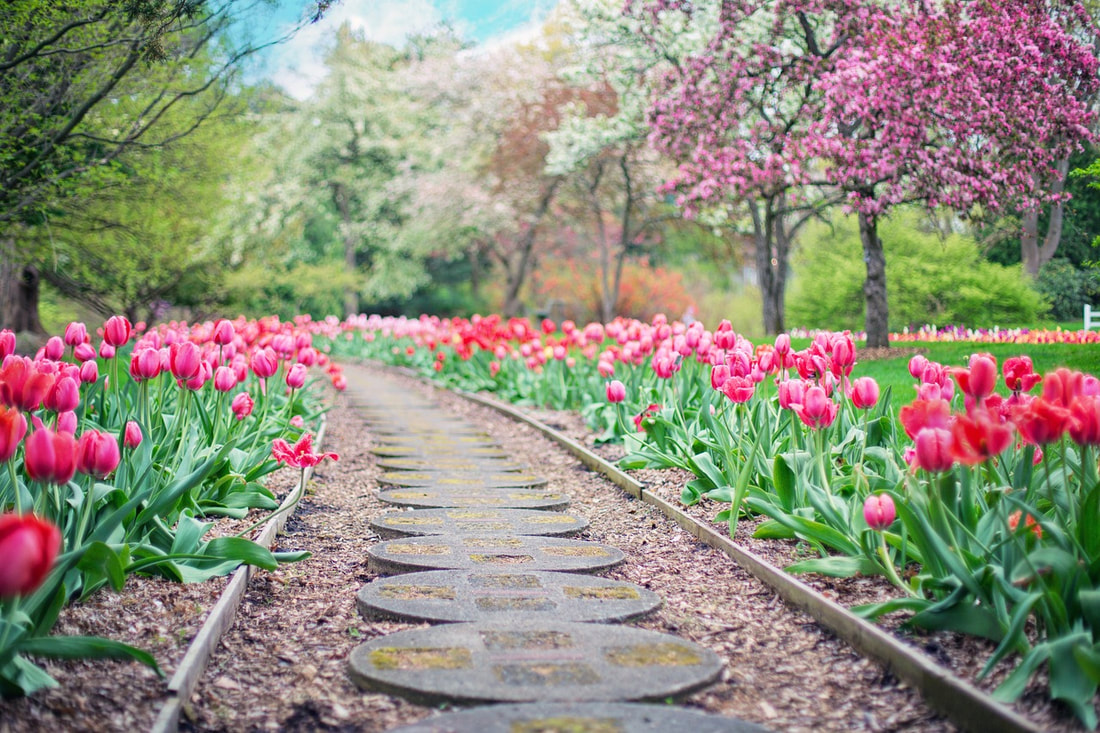 Even though the world is fundamentally beautiful as it is, surrounded by verdant greenery and high-reaching trees, most homeowners are constantly asking what they can do to make their own front lawns prettier. The short answer is that the solution lies in expert lawn service, yard care, yard services, and landscaping options adjusted to your home’s natural environment in Eugene, Oregon.
Beautiful and well-groomed grass near the house is not only a beautiful sight, but also a comfortable outdoor environment for spending time with your whole family. Moreover, if you live in wet Eugene, where the rains do not stop for a long time, and the soil situation is different. But these experts know all the local bushes, weeds, and other vegetation in such an environment. In Eugene, Oregon, among the many lawn care providers, an excellent option is Graham Landscaping & Design. Our team is experienced in serving the community and can provide a wide range of services based on your requirements. Whether you need regular lawn maintenance, weed control assistance, or full-service landscaping, our certified team of experts will offer top-quality service every time. In conclusion, besides maintaining simple lawns, professional landscaping is a smart investment; it makes your property more appealing and adds value to it, providing you with a high economic and aesthetic return. Furthermore, Eugene, Oregon, facilitates a conducive environment ideal for homeowners to customize their yards through incredibly talented landscape professionals. Whether you want a low-water-usage planting plan or a sustainable backyard full of neutral hardscapes, the appropriate landscape design company will offer endless opportunities. Living in Eugene, Oregon, we are lucky to be surrounded by so much natural beauty. Thanks to lawn service, yard care, and other landscaping options from the experts at Graham Landscaping & Design, homeowners across the area can maximize their spaces all while keeping Eugene beautiful. Have you considered the best landscaping services in Eugene, Oregon? Give us a call at 541-729-8029 or email us.  When envisioning a picturesque garden, a proper lawn care, lush greenery and vibrant flowers often come to mind. But have you considered adding a water feature to elevate your outdoor oasis? Beyond its aesthetic appeal, incorporating a water feature into your garden can bring a plethora of benefits that enhance not only the beauty but also the functionality of your outdoor space.
One of the most significant advantages of having a water feature in your garden is its ability to promote relaxation and tranquility. The gentle sound of flowing water can create a serene atmosphere, providing a peaceful retreat from the hustle and bustle of everyday life. Whether it's a trickling fountain, a babbling brook, or a serene pond, the soothing sight and sound of water can help reduce stress and promote a sense of calm. But the benefits of a water feature extend beyond mere relaxation. Water features can also attract wildlife, adding another layer of interest to your garden. Birds, butterflies, and even frogs are drawn to water sources, creating a thriving ecosystem right in your backyard. This biodiversity not only enhances the beauty of your garden but also contributes to the overall health of your outdoor environment. Moreover, water features can be highly versatile, serving both aesthetic and practical purposes. For instance, a pond or water garden can support aquatic plants and fish, adding visual interest while also helping to maintain a balanced ecosystem. Additionally, water features can act as natural irrigation systems, providing moisture to surrounding plants and reducing the need for manual watering. This can be particularly beneficial for gardens in regions like Oregon, where proper irrigation is essential for maintaining healthy landscapes. In terms of yard services or maintenance, water features can actually help simplify your gardening tasks. While some may worry about the upkeep associated with water features, modern designs often incorporate low-maintenance features such as recirculating pumps and filtration systems. With proper planning and installation, a water feature can become a self-sustaining ecosystem, requiring minimal intervention from the gardener. Furthermore, incorporating a water feature into your garden can enhance its visual appeal, serving as a focal point or centerpiece. Whether it's a dramatic waterfall cascading into a pond or a simple fountain nestled among flowers, water features can add a sense of elegance and sophistication to any outdoor space. They can also create visual interest throughout the seasons, with the tranquil sound of flowing water serving as a backdrop for ever-changing landscapes. In conclusion, the benefits of having a water feature in your garden are plentiful and varied. From promoting relaxation and attracting wildlife to enhancing visual appeal and simplifying yard care and maintenance, water features offer something for every gardening enthusiast. So why not consider adding a water feature to your outdoor oasis? With the right design and installation, you can transform your garden into a tranquil retreat that delights the senses and nourishes the soul. Have you considered the best landscaping services in Oregon? Give us a call at 541-729-8029 or email us.  The promise of vibrant blooms and lush greenery fills the air, many homeowners in Eugene, Oregon, are turning their attention to their outdoor spaces. Whether you're dreaming of a pristine lawn or envisioning a tranquil garden retreat, finding the right landscaper is crucial to bringing your vision to life. As someone who deeply values the landscaping in Eugene, Oregon community, We are here to share some insider tips on how to avoid a bad deal and ensure that you find a landscaper who truly understands your needs.
Do Your Research: Start by researching local landscapers in Eugene, Oregon. Look for companies with positive reviews and a strong reputation for quality work. Websites like Yelp, Google, and Angie's List can be valuable resources for reading customer feedback and ratings. Check Credentials: Ensure that the landscaper you're considering is licensed, bonded, and insured. This provides you with protection in case of accidents or property damage during the project. Additionally, inquire about their experience and qualifications in handling projects similar to yours. Ask for References: Don't hesitate to ask the landscaper for references from past clients. Speaking directly with satisfied customers can give you valuable insight into the landscaper's reliability, professionalism, and the quality of their work. Get Multiple Quotes: Obtain quotes from several landscapers in Eugene, Oregon, and compare their services and pricing. Keep in mind that the lowest price doesn't always guarantee the best value. Look for a balance between affordability and quality. Communication is Key: Effective communication is essential for a successful landscaping project. Ensure that the landscaper listens to your ideas, addresses your concerns, and keeps you updated on the progress of the project. Clear communication helps prevent misunderstandings and ensures that your vision is brought to life. Evaluate Their Portfolio: Ask to see examples of the landscaper's previous work. A reputable landscaper will be proud to showcase their portfolio, which can give you an idea of their style, creativity, and attention to detail. Discuss Maintenance Plans: Once your landscaping project is complete, ongoing maintenance will be essential to keep your outdoor space looking its best. Inquire about the landscaper's lawn care services in Eugene, Oregon, and discuss a maintenance plan tailored to your needs and budget. By following these steps, you can avoid the pitfalls of hiring an inexperienced or unreliable landscaper and ensure that your outdoor oasis thrives for years to come. Are you ready to transform your lawn and landscape into the envy of the neighborhood? Don't delay! Reach out to us, the best landscape business in Eugene, Oregon, at 541-729-8029 or send us an email to book your lawn service, yard services in Eugene, Oregon or a cleanup today. With our unmatched expertise and top-notch customer service, we'll swiftly turn your outdoor space into a picturesque haven that could grace the pages of a magazine.  Are you feeling the buzz of spring in the air? It's that magical time when nature wakes up from its winter sleep, and your lawn and landscape are ready to burst into life. But before you break out the grill and start planning those backyard barbecues, there's one thing you shouldn't overlook: spring yard cleanup.
Here in Eugene, Oregon, where the beauty of our surroundings is second to none, ensuring your outdoor space is in tip-top shape is kind of a big deal. And guess what? We've got your back! As the go-to landscaping in Oregon pros in town, we know a thing or two about why spring yard cleanup is so important. Let's discuss about it:
Ready to give your lawn and landscape the makeover they deserve? Don't wait another minute! Give us a shout “The best landscaping business in Eugene, Oregon” at 541-729-8029 or email us to schedule your spring yard cleanup today. With our expertise and friendly service, we'll have your outdoor oasis looking like something out of a magazine in no time. Here's to a season filled with sunshine, laughter, and the joy of a job well done!  Green thumbs! If you want to spruce up your garden while also doing your bit for the planet, you’re in the right place. We have some insider tips and tricks to help you create eco-friendly landscaping right in your backyard. So, grab your gardening gloves and let’s dig in!
Remember, every little effort towards eco-friendly gardening counts. So, go ahead, get out there, and let's make the world a greener place—one garden at a time! 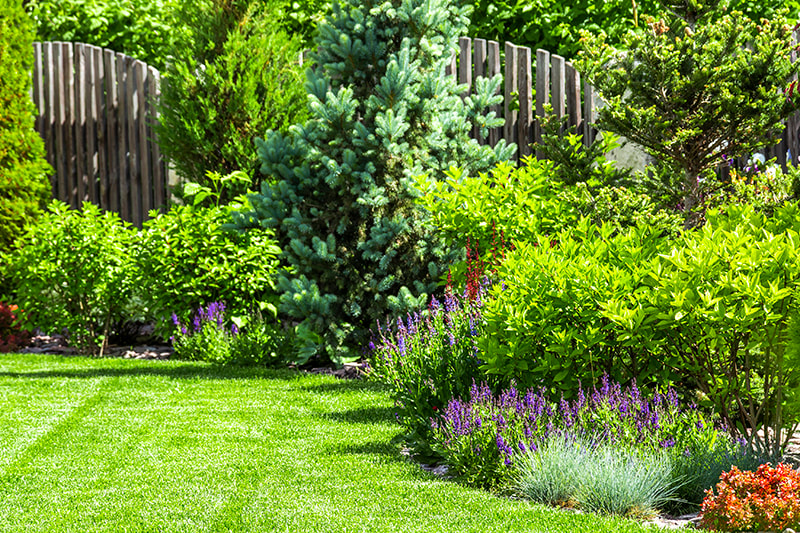 Spring is just around the corner so now is the time to get your seasonal yard care into action. Many items you can easily take of yourself, however, it can be helpful to have a team of landscape maintenance and irrigation professionals take on the work.
Here are items you should address for a beautiful spring landscape:
Taking this all on by yourself can be overwhelming and too much especially if you have any physical limitations. However, our maintenance and irrigation experts are here to help you prepare your yard for spring's beauty. Please give us a call at 541-729-8029 or email us. |
OUR BLOG
Check here to see what we've been up to! Categories
All
|
 RSS Feed

|
Copyright © Graham Landscape Maintenance & Design LLC in Eugene Oregon. All rights reserved.
LCB # 8920 541-729-8029 34024 Old Willamette Hwy S., Eugene, OR 97405
Offering Landscape Design and Maintenance in Albany, Coburg, Corvallis, Cottage Grove, Eugene, Junction City, Roseburg, Springfield, Veneta and Surrounding Areas
LCB # 8920 541-729-8029 34024 Old Willamette Hwy S., Eugene, OR 97405
Offering Landscape Design and Maintenance in Albany, Coburg, Corvallis, Cottage Grove, Eugene, Junction City, Roseburg, Springfield, Veneta and Surrounding Areas