Graham Landscape & Design
  • Home
  • About
    • Our Team
    • Careers
    • Testimonials
    • Giving Back
    • Privacy
    • Terms & Conditions
  • Design
    • Landscape Design
    • Landscape Installation
  • Maintenance
    • Residential Landscape Maintenance
    • Commercial Landscape Maintenance
    • Lawn and Yard Care Services
    • Clean Up Services
    • Arborist Services
  • Irrigation
    • Landscape Irrigation Design and Installation
    • Landscape Irrigation Maintenance and Repair
    • Landscape Irrigation Backflow Testing and Winterization
  • Contact
  • Blog

A Complete Guide to Hardscape and Landscape Installation Before Winter

10/24/2024

0 Comments

 
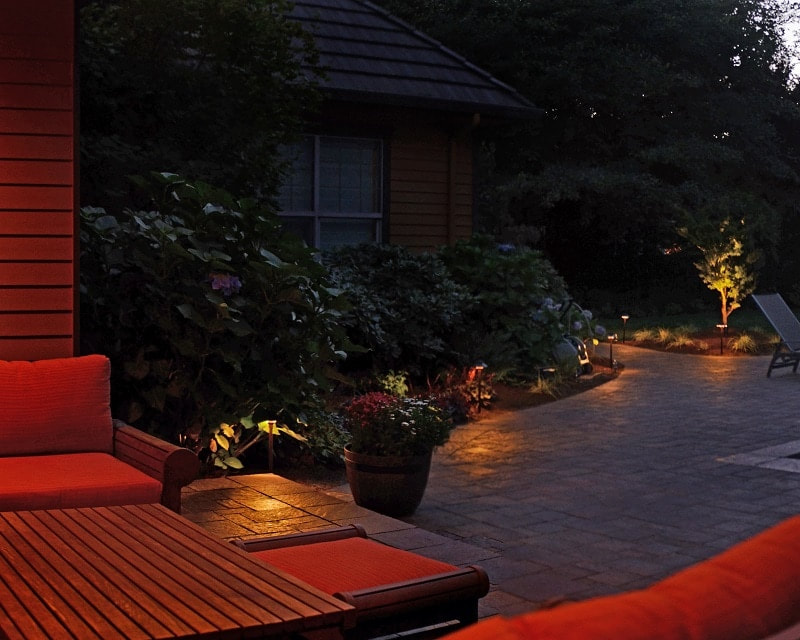
Picture of hardscape paver walkway
As winter approaches, getting your yard ready will make sure that your outdoor area is not only functional, but can also survive those winter conditions. Regardless if you’re checking off a to-do list item for adding a deck, building retaining walls or completing a paver install before the frost makes you wait until after thawed weather arrives with spring months later, it will be far better to have your project off the books.

Hardscape Features to Complete Before Winter

Unfinished hardscape projects can take a beating in inclement winter weather. This is why now, before the ground freezes over, is your last chance to finish up that paver installation, concrete installation, or retaining walls.

Paver Installation

It just makes sense to complete your paver installation before cold weather arrives; the ground is stable, and you run no risk of movement or shifting due to freeze-thaw cycles. Be it a walkway, slab or of course driveway; this is the ideal time to secure your project before frost limits the scope of work.

Concrete Installation

The last thing you want to do is leave concrete installation until cold weather will impact the way it sets and cures. Concrete driveways, patios and other hardscape features are best done now to resist the freeze-thaw cycle of winter.

Retaining Walls

If your yard requires leveling or slope management, installing retaining walls before the cold weather hits is essential. Properly constructed retaining walls not only protect your landscape from soil erosion but also provide structural integrity through the winter months.

Carpentry Work, Fences, Decks, and Pergolas

Completing any carpentry improvements, such decks, pergolas, and fences, is another crucial thing to concentrate on before winter arrives. Wet, cold weather can cause delays in building, and exposure to freezing moisture increases the likelihood that timber products will distort or deteriorate.

Decks

If you finish installing your deck now, you'll have a stable outside area that's ready for use when the weather warms up. If deck construction is postponed until winter, weather-related delays or expensive repairs may result.

Pergolas

Pergolas that are not finished can suffer during the winter months. By completing a pergola now, you will prevent winter damage to the structure and make sure it will be ready to offer shade and beauty come spring.

Fences

Your yard will be more private and secure with a well-built fence, especially in the winter when snow or storms could harm your property. Finish installing your fence right away to prevent delays in construction and guarantee year-round protection for your house.

Installing a Lawn and Plants: Getting Your Yard Ready for Spring

Additionally, winter is the best season to complete your grass and plant installation. The foundation for a healthy spring garden can be established now, even though plants may fall dormant over the winter. Fall planting gives new plants a head start as temperatures rise by ensuring that they establish roots before winter.

Winterize Your Outdoor Space

When finished with landscape and hardscape installation, consider winterizing your outdoor space before the temperature drops or keeping plants warm by mulching garden beds — not to mention making sure that irrigation systems are properly winterized. This will save your investment and guarantee everything is in tip top shape for spring.

As winter approaches, it is time to wrap up those paver installation, concrete pour, retaining walls, deck and pergola and of course fence projects. If you wait until after the cold season, you risk delays, damages or costs. Taking action now will guarantee a functional and beautiful outdoor space for all seasons.

Hardscape construction, carpentry projects, and year-round landscape installation are our areas of expertise at Graham Landscape Design. Get in touch with us right now to arrange your consultation and make sure your outside area is prepared for winter, whether you're planning ahead or tidying up before the season arrives.
0 Comments

Preparing Your Landscape Before Winter

10/16/2024

0 Comments

 
Picture
​Preparing your landscape for the upcoming winter months is very important. Not only does it allow you to protect your outdoor living area and ensure the safety of your investment, but it also helps you develop the basis for a beautiful, thriving garden next year. Among the foremost issues to consider before the winter season starts are the finalization of any ongoing construction projects as well as the winterization of your irrigation system.

Complete Winter Landscaping Construction Projects

  • Fall is the last opportunity to get winter landscaping construction finished so you can lay the groundwork through the winter so it helps for the spring season. Complete your hardscapes, build your garden beds, lay your pathways – all of it. 
  • Not only will you not be wrestling with frozen ground in the spring, you won’t be wrestling with all the other winter and weather-related drama that can pop up and delay progress. 
  • Winter construction can be hard not only on the building materials – stone, wood, and otherwise – but leaving them disturbed in the ground during the winter. When you stop an installation halfway through the building materials, it could lead to destruction, spread and waste.

The ground freezes, leading to delays: quite simply, you won’t be able to do it! You will just be wasting time.

Irrigation Winterization: Preparing Your System for Cold Weather

Freezing temperatures can affect irrigation systems. In the spring, damaged pipes and costly repairs may arise from incomplete irrigation winterization. Because irrigation systems are susceptible to freezing temperatures, proper winterization guarantees that your system will be in good working order and ready to go when the growing season resumes. When your system is properly winterized, it stays healthy and is prepared for the resumption of the growing season.

Steps for Winterizing Your Irrigation System:

  • Shut off the water supply: Turn off the main water valve to your irrigation system to prevent water from flowing into the pipes.
  • Drain the pipes: Either manually drain the pipes or use an air compressor to blow out any remaining water. This step is crucial in preventing water from freezing and expanding, which could cause pipes to burst.
  • Insulate exposed parts: Any above-ground components like backflow preventers, valves, or hoses should be insulated with foam covers to protect them from freezing temperatures.
  • Check for leaks: This is a great time to inspect your system for any issues that need repair before winter hits.

Benefits of Winterizing Now:

  • Prevent expensive repairs: Damage and leaks caused by frozen pipes may necessitate pricey repairs.
  • Conserve energy and water: By winterizing your irrigation system appropriately, you may prevent water waste and unnecessary overuse.

Landscape Maintenance: Combining Projects for Efficiency

  • You can expedite your fall preparations by scheduling the completion of your irrigation winterization and landscaping work at the same time. Together, these tasks can be scheduled so that you can:
  • Organize contractors: By combining these chores, you may secure the time of skilled landscapers and irrigation specialists before their schedules are overloaded with winter work.
  • Make sure you're prepared: If you've finished all the preparations, your winter garden will be ready to withstand the cold without any last-minute surprises.

To keep your property looking its best all year round, we provide expert landscape maintenance services that include both commercial maintenance and residential maintenance. Make sure your irrigation system is prepared for winter by letting Graham Landscape & Design assist you in finishing your fall projects! For a consultation, contact us right now.
0 Comments

Welcome the Beauty of Fall with Container Gardening

9/23/2024

0 Comments

 
Picture
While the cool air and bright colors of fall begin to settle in, why not add some seasonal appeal to your landscape? Fall container gardening is a creative way to add splashes of color, life, and texture to your outdoor spaces. Whether you are considering the perfect patio plants, looking to add curb appeal to a hanging basket, or using your containers as cover for your patio, container gardening during fall is a fun and flexible way to elevate your fall landscape with ease.

Benefits of Fall Container Gardening

Fall is an ideal season to dive into container gardening. Here’s why:

  • Flexibility in placement: Even the plants in your garden pots have to move events throughout the day to where the best sun throughout the fall, changes are that the angle has.
  • Small-Space Friendly: Even if you have limited yard space, containers can be a wonderful way to add focal points in small gardens or complement larger ones.
  • Low-Maintenance: With cooler temperatures and less evaporation, your plants will require less frequent watering, making fall gardening easy to manage.

Choosing the Right Plants for Fall

Making the correct plant choices can guarantee the success of your fall container gardens. Here are a few fantastic choices:

  • Cool-Weather Annuals: For bright pops of color and resistance to colder temperatures, opt for colorful flowers like ornamental kale, pansies, and chrysanthemums.
  • Perennials and Shrubs: Give your containers long-lasting beauty and structure with hardy perennials like heuchera or tiny evergreens like miniature spruces.
  • Edibles: Don't forget to include fall-friendly veggies and herbs in your garden, such as kale, rosemary, and thyme, which are great for providing both visual appeal and usefulness.

Creative Container Ideas for Fall

Get creative with the vessels you use for planting to enhance the rustic, cozy feel of autumn:

  • Materials: Some of the best pots in which to plant your fall displays are items that already exist around your home. Old wooden crates, vintage metal tubs, and classic terracotta pots offer the fall vibe.
  • Texture: To develop a container planting with contrasting textures and hues, select plants with various sizes, textures, and foliage. The greatest container plantings have components that hang, or trail, over the container.

Tips for Maintaining Fall Containers

Use these easy care suggestions to keep your fall containers looking their best all season long:

  • Watering: You won't need to water as much when the weather becomes colder. But make sure the soil stays wet, particularly in the dry seasons.
  • Frost protection: When temperatures suddenly drop, think about using frost coverings or relocating pots to sheltered areas. Early frosts can harm delicate plants.
  • Fertilizing and Deadheading: To make your fall container garden last longer, keep your plants lightly fertilized and remove spent blossoms.

How to Incorporate Fall Containers in Your Landscape

Your Landscape Containers aren’t just for porches and patios! Here’s how to make them:

  • Focal points in your fall landscaping: Plant them along garden paths, by your front or back door, or even within flower beds. 
  • Add Layers: Vary the heights of modifications and types for diverse effects.

Winterizing Your Irrigation System in Preparation for Winter

As fall winds down, it’s important to prepare for winter by winterizing your irrigation system:

  • Why It’s Important: Freezing temperatures can damage pipes and other irrigation components. Protecting your system can save you costly repairs in spring.
  • Steps for Winterizing: Shut off the water supply, drain your system, and blow out any remaining water using an air compressor to prevent freezing.
  • Irrigation Backflow Testing: Ensure your system is tested for proper backflow prevention as part of the winterization process.
  • Schedule a Professional Service: Don’t wait until the first freeze! Schedule an irrigation winterization service with a trusted landscaping company to ensure your system is properly protected.

Fall container gardening gives you limitless opportunities to play with color and texture outside of your house. Whether you opt for bright blooms or a cozy arrangement, gardening becomes genuinely versatile since it can be performed in containers. It is crucial to keep in mind as well winterization of your irrigation system and to plan irrigation backflow testing when you start considering your fall landscaping and fall replacement planting. Embrace the season and have fun with a new landscaping project, or simply maintain your design – enjoy this cozy time of the year!
0 Comments

Preparing Your Garden for Winter

9/9/2024

0 Comments

 
Image of a frozen pipe and faucet and irrigation winterization
With autumn shades changing your backyard, it is time to change your watering regimen to satisfy the demands of plants prior to winter time. Fall is an important time for optimizing your watering infrastructure and, by expansion, safeguarding your landscape financial investment. Let us guide you through efficient garden watering techniques for fall and inform why winterizing is essential.

Your garden's water requirements must be adjusted for the changing fall weather. Plants stay vigorous until winter arrives if your irrigation systems are adjusted for this season. Here's how to adjust various configurations:

Drip Irrigation
In the fall, drip systems work very well because they provide accurate irrigation that keeps plants hydrated even in the face of erratic weather. This technique also conserves water, which is essential because cooler months usually require less watering for plants.

Sprinkler Systems
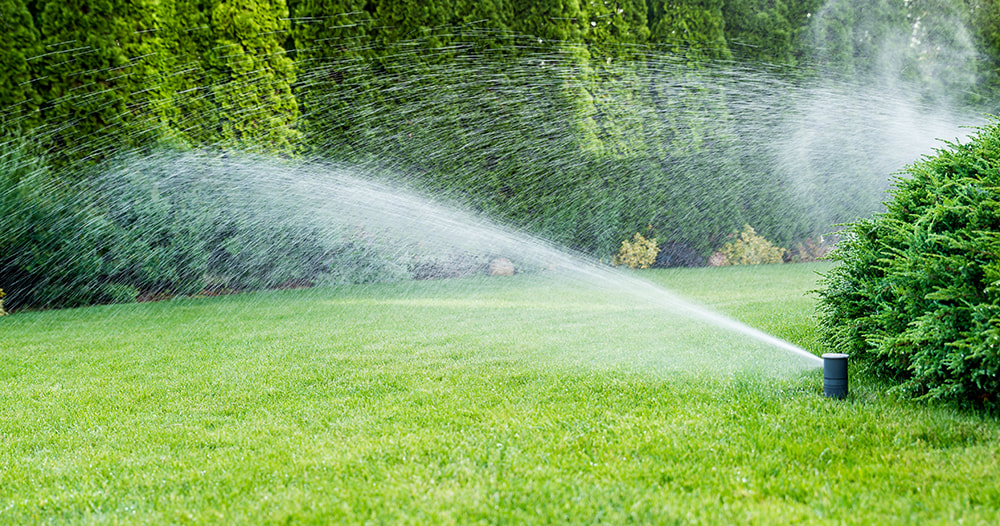
With sprinklers, it's essential to decrease watering frequency as fall progresses. Cooler temperatures and increased rainfall mean your lawn and plants require less water. Adjust settings to prevent overwatering, which can cause root rot and other problems.

Garden Watering Systems
The autumn season is perfect for examining and re-checking your garden irrigation systems. No matter what you use, a soaker hose, an automatic timer, or a combination of devices, make sure that everything operates effectively before the cold arrives. Reduce timer intervals and monitor all units.

Winterizing Your Irrigation System

It is essential to winterize an irrigation system as the autumn season ends. Not doing so can result in costly damage and prevent your setting from working correctly in the spring season. The procedure includes several steps below:

Clear the System
Irrigation lines should be completely dry to avoid freezing, which can burst pipes. This is especially crucial for subterranean irrigation and sprinkler systems.

Keep Exposed Parts Safe
Any above-ground parts, including sprinkler heads or visible pipelines, should be insulated. During cold weather, wrap them in materials that will protect them from breaking or cracking.

Turn Off and Clear Out
Shut off the water supply to your irrigation system and use an air compressor to blow out any lingering water. This ensures no water remains in the system that could freeze and cause damage.

Autumn turning into winter is the time to approach garden and lawn maintenance strategically. Winterizing your irrigation systems is a sustainable solution to safeguard your investment and get ready for a productive spring. As a part of fall lawn care routine, fertilizer is applied to the garden, the plants are aerated and the duration of snow blanketing is an excellent chance for the grass to breathe when the leaves are removed.

At Graham Landscape Design, we're attuned to landscaping, lawn care and irrigation in Eugene, Oregon and the nearest areas specific needs. Our expert team can help with adjusting drip irrigation systems for fall, maintaining lawns, or preparing entire gardens for winter. Contact us to discuss winterizing your irrigation systems, and we’ll make sure your garden stays thriving all year round adapting to the specifics of every season!
0 Comments

Essential Steps for Perfectly Preparing Your Soil for Planting

8/22/2024

0 Comments

 
Picture
​The foundation of your thriving garden or landscape begins with the soil. Whether you're aiming for a lush lawn or a garden filled with blooming flowers, understanding and preparing your soil is essential. In this blog, we’ll guide you through the basic processes and steps to create the best soil conditions before planting.

Understanding Your Soil

Before starting a landscaping or lawn care project, it is crucial to understand the type of soil you’re working with. Soil types, such as sandy, clay, or loamy, have a significant impact on plant growth. Conducting a soil test to analyze pH levels and nutrient content will help you determine what your soil needs. Testing ensures that you can provide the appropriate treatments for your yard.

Improving Soil Structure

Soil structure significantly influences the health of your plants. One effective way to improve soil fertility is by adding organic matter, such as compost or manure. This enriches the environment where the root system develops. Aerating the soil is also beneficial, as it breaks up compacted areas, allowing air, water, and nutrients to reach the roots more easily. Finally, mulching helps protect and nurture the soil, ensuring it retains moisture and prevents weeds.

Enhancing Soil Fertility

The health of your plants is largely determined by the quality of the soil they grow in. Soil tests can identify the specific nutrients your plants need most. Apply the recommended fertilizer based on your soil test results, using the correct amount and timing. Over-fertilization can harm your plants and the environment, so avoid following on-packaging guidelines blindly. By taking the recommended approach, you’ll enjoy a vibrant, healthy landscape.

Managing Drainage

Waterlogged soil is harmful to plants, and they do not thrive in it. Early online consultation can help you choose the best site for your plants. Solutions such as raised beds improve drainage, and if the soil isn't deep enough, raising the bed increases the depth through which water can pass. Properly draining paved areas also helps to deepen soil volume and increase the area through which water can flow. Chemical amendments to the soil can further facilitate water movement. Additionally, an irrigation service tailored to your landscape can ensure that water is used efficiently, helping to maintain optimal moisture levels.

Final Preparations

Once your soil is healthy and well-structured, it's time to prepare for planting. Tilling the soil and creating well-defined planting beds are key steps in setting up your garden or lawn for success. Be careful not to over-till, as this can disrupt soil structure and lead to compaction issues. And remember, skipping a soil test can lead to unforeseen problems down the line, so don’t neglect this crucial step in your lawn service routine.

Take the Next Step with Graham Landscape Design - At Graham Landscape & Design, we specialize in Eugene landscaping, providing top-notch lawn care, yard services, and irrigation services tailored to your specific needs. Preparing your soil is just the beginning—let us help you maintain a beautiful, thriving landscape all year round. Contact us today for expert advice and professional yard maintenance services!
0 Comments

Lawn Care Services: Your August Landscape Checklist

8/7/2024

0 Comments

 
Picture
​Homeowners find themselves facing unique challenges in maintaining their outdoor spaces. August brings intense heat and dry conditions, making lawn care services more crucial than ever. From keeping grass lush and green to ensuring flower beds and vegetable gardens thrive, there's a lot to consider when it comes to landscaping during this time of year.

This August landscape checklist covers essential yard care tasks to help property owners navigate the dog days of summer. It offers guidance on irrigation strategies to combat drought and advice on yard maintenance to keep everything looking its best. Whether dealing with the specific challenges of landscaping in the Oregon area or general lawn care concerns, this guide provides valuable insights to help create and maintain a beautiful outdoor oasis despite the summer heat.

Maintaining a Lush Lawn in August Heat

Watering Strategies: In general, lawns need about 1/2 inch (1.27 cm) of water every 3 days during summer. The frequency may vary based on temperature - water every 2-3 days if it's over 95°F (35°C), or every 3-4 days if temperatures are in the high 70s°F (around 25°C) 2. It's crucial to water deeply, allowing the soil to dry out between watering, to encourage deep root growth and prevent thatch buildup. Most irrigation systems or manual sprinklers can deliver 1/2 inch of deep watering.

To ensure proper irrigation, map out your sprinkler positions and determine the runtime required for each position to deliver 1/2 inch of water. Use a rain gauge or tuna cans to monitor water distribution and adjust as needed.

Mowing Techniques

  • Mow high if you know what the proper height should be for your type of grass (it is usually higher than one might think, especially in summer because it encourages deeper roots and shades the soil so moisture doesn't evaporate as fast or encourage weeds).
  • Adhere to the 1/3 rule - Never cut more than one-third of the grass blade height in a single mowing.
  • Ensure your mower blades are sharp to avoid any pulling or tearing of the grass that can ultimately cause a disease, and will increase in drying time quickly.
  • Change your mowing patterns to avoid soil compacting and ruts
  • To avoid moving diseases from infecting your lawn and prevent it turning into etiolated, do not mow when the turf is wet.

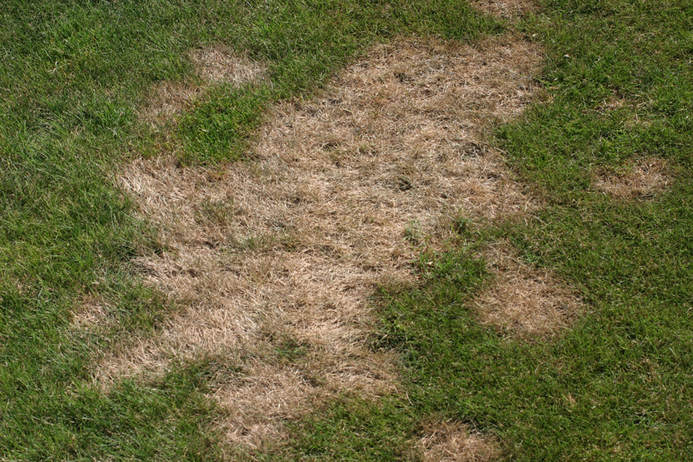
Dealing with Brown Patches

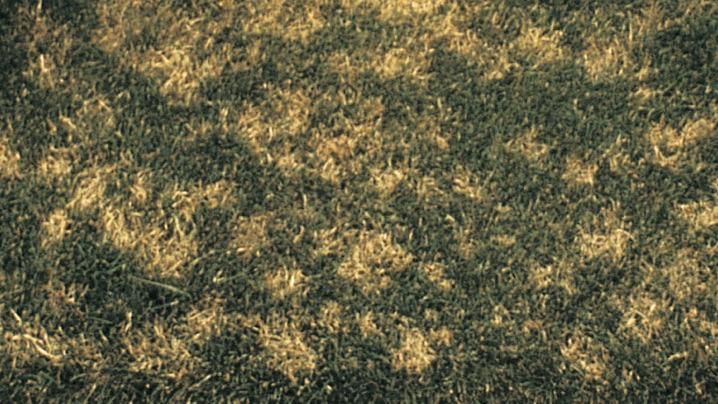
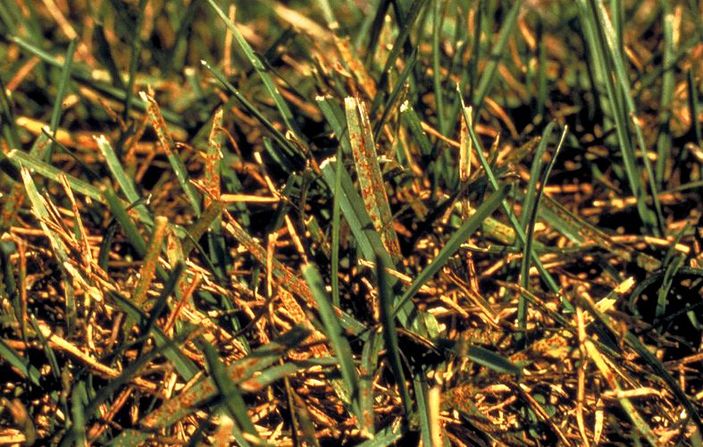
  • These brown patches can be due to fungus, grubs in the soil, dog urine and even wear patterns from objects being left on grass. Identify the cause.
  • Disease issues usually followed by a successful regrow may indicate fungal problems; spray out the fungus.
  • When patches of sod that are spongy or roll up like a piece of carpet - easy to do when raked with moderate pressure - but the grass has been well-watered, fertilizer has not burned it and fairy rings have not come calling on your doorstep, suspect grub damage.
  • Dark green rings around the brown center indicate dog urine burns.
  • Overseed dead annual weed patches.
  • Remove debris and repair bald spots from objects that were left sitting on the lawn
  • Watering deeply, mowing high and dethatching can all help prevent brown patches from occurring in the first place on your lawn

Caring for Your Flower Beds

Deadheading and Pruning: Deadheading is the method of getting rid of dead flower heads from plants. It is the best tool to use to get thicker growth and more blooms. How to do it. To deadhead the roses or other plants, you must use large, sharp pruners to perform the process. The tools for deadheading are pruning snips. The cut spent flowers and the stems should be cut back. When cutting the back, you should cut at 1/4 inch above a new lateral flower, leaf, or bud. When cutting the larger, woodier stems such as roses, you are advised to use pruners. In pruning, you are to cut the larger stems at a 45-degree angle.

All annuals and perennials such as coreopsis, salvia, and mums respond to deadheading by producing full blooms all season. The mounding perennials in cold climates also respond to annual deadheading the following year. The kid back entire plants to 2 inches above the ground. To revitalize mounding perennials, you should get rid of all the dead plants.

Pruning

It is the process of cutting back thoroughly the entire plant after blooming to rejuvenate the mounding perennial and maintain the garden to be clean. Pinching back equals 3 inches on the fall bloomers, such as mums and asters, during spring through summer.

Fertilizing Flowering Plants

Conduct soil tests every 3-5 years to establish nutrient needs. Apply limestone as recommended and calculate fertilizer needs based on your garden’s area in square footage and soil test results. Complete fertilizers with a balanced N-P-K ratio like 10-10-10 stimulate flowering.

Managing Pests

Instead of broad-spectrum pesticides that kill all insects, use an integrated pest management approach. Attract beneficial insects like ladybugs and lacewings by planting insectary patches with nectar-rich flowers.

By following this August landscape checklist, you can ensure your yard remains beautiful and healthy despite the heat. Remember, consistent care and attention to detail are crucial to achieving optimal results. If you're looking for the best landscaping service or construction and maintenance in Oregon, Graham Landscape & Design is available to assist with these tasks. Ultimately, the effort put into summer lawn care has a significant impact on the overall health and appearance of your outdoor space throughout the year.
0 Comments

How to Control Lawn Weeds

7/22/2024

0 Comments

 
Signage that says
​A properly kept lawn is not just a view to admire, but a lively habitat for your grass. However, coping with weeds is probably the most arduous task in lawn care. It’s because these uninvited guests ruin the lovely picture, and they also compete for vital resources with your grass. Let’s dive into the issue and see what strategies and methods are best in ensuring your lawn remains weed-free and beautiful.

Weeds are the number-one enemy to a perfectly groomed lawn, and to defeat them, it is necessary to know them.

Generally, such species as dandelions, crabgrass or clover are widespread, and they will take over the small territory of your land within hours if there is no way to resist them. This work is focused on three approaches to identify the weeds as the first step towards their removal.
  • Avoid improper care management: to keep the grass thick and suppress weeds by shading the land, mow it to the right height on a regular basis, water it properly, and fertilize in a well-balanced way.
  • Apply mulch where necessary: around plants and in garden beds to discourage weed appearance by blocking light and preventing seed germination.
  • Check up soil: conduct tests on soil to determine whether there are enough nutrients and the right pH level for grass to grow strong and out-compete with weeds.

Active Weed Removal Techniques
  • Manual weeding: In small yards, it is sometimes necessary to take matters into your own hands. Use a weed puller or a special manual knife to pull out as many plants as possible, retaining the roots. The most optimal time for weeding is early spring and fall. In the summer period, mowing the lawn will be enough. 
  • Strategic mowing: Regular mowing at the correct height will remove unnecessary seeds and prevent the spread. Targeted chemical weeding. If the above options did not help stop the growth of grass, use the following selective treatments. 
  • Pre-emergent herbicides: Before the seed from the weed sprouts, apply a small preventive dose to prevent further growing. 
  • Post Emergent herbicides: To reduce harm to desired plants, pre-treat the weed over them. It is very important to carefully read the instructions before using the chemical to prevent overuse and pollution within the yard politic.

For Environmentally Conscious Homeowners:
  • Natural Weed Killers: Vinegar, hot water, or salt solutions can be effective spot treatments for weeds.
  • Competitive Planting: Introduce dense ground covers or vigorous grass species to outcompete weeds for resources.

Maximize effectiveness with a holistic approach:
  • Combining Strategies: Integrated weed management involves using a mix of cultural, mechanical, and chemical methods tailored to your lawn's specific needs.
  • Ongoing Plan: Regularly assess your lawn's health, implement preventive measures, and intervene with targeted treatments as needed.

It is critical that lawn weeds be controlled with a degree of perpetuation, and therefore, you must remain vigilant. With a greater understanding of the types that exist, the measures for keeping the problem from escalating, and likely the usual preventive and control methods, you can elect to take necessary efforts to guard your lawn. 

It follows, then, that you will see the benefits provided by a well-maintained lawn that complements your landscape design. Contact us or drop by at our main Eugene, Oregon office for more tips on yard care, lawn care, and weed control, and receive a landscape maintenance plan or a free estimate of the service. You can reach us at 541-729-8029. We look forward to talking to you!
0 Comments

Little-known tips and tricks to make your garden more eco-friendly.

7/5/2024

0 Comments

 
Picture
​Having an eco-friendly garden does not only benefit the environment, such a garden can provide you and your family with a relaxing and sustainable space as well. From beginners to do-it-yourself enthusiasts who just need some inspiration, you can transform your outdoor space with our landscaping ideas to suit any budget.

1. Native Plants

One of the easiest ways to make your garden more environmentally friendly is to plant native plants. As native plants are adapted to the local climate and soil, they require less water and upkeep. This is particularly beneficial for looking after a yard and having lawn care or your yard taken care of in Eugene, Oregon, as the climate can vary a lot.

Benefits:
  • Less water consumption
  • Less maintenance
  • More diversity

2. Opt for Organic Fertilizers

Using organic fertilizers is a great way to improve the health of your soil without the harmful effects of chemical alternatives. Organic fertilizers release nutrients slowly, promoting steady plant growth and enhancing soil structure.

Tips:
  • Compost your kitchen and garden waste
  • Use well-rotted manure
  • Consider commercial organic fertilizers

3. Implement Water-Saving Techniques

Water conservation is crucial for eco-friendly gardening. Here are some effective water-saving techniques:

Drip Irrigation:
Drip irrigation systems deliver water directly to the plant roots, reducing evaporation and water waste. 

Rain Barrels:
Collect rainwater to use for watering your garden. This not only conserves water but also reduces your water bill.

Mulching:
Mulch helps retain soil moisture, suppress weeds, and improve soil health. Use organic mulches like wood chips, straw, or leaves for the best results.

4. Create a Wildlife Habitat

Attracting wildlife to your garden can enhance its beauty and ecological value. Provide food, water, and shelter to invite beneficial insects, birds, and small animals.

Ideas:
  • Plant a variety of flowering plants to attract pollinators
  • Install bird feeders and birdbaths
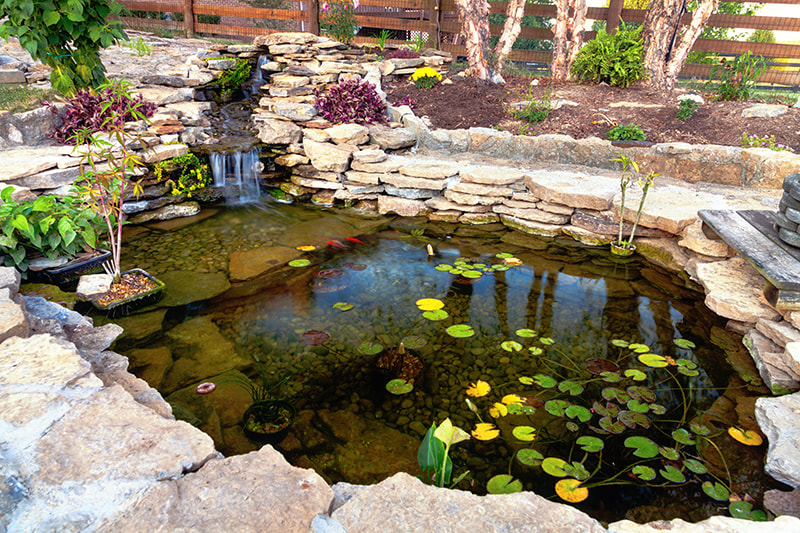
  • Create a small pond or water feature

5. Reduce Lawn Size

Traditional lawns require a lot of water, fertilizer, and maintenance. Consider reducing your lawn size and replacing it with ground covers, native grasses, or wildflower meadows.

Alternatives:
  • Use clover instead of grass
  • Create garden beds with perennials and shrubs
  • Incorporate hardscaping elements like gravel paths or patios

6. Practice Sustainable Lawn Care

For those who still want to maintain a lawn, sustainable practices can make a big difference. 

Techniques:
  • Mow high to encourage deep root growth
  • Leave grass clippings on the lawn to act as natural fertilizer
  • Aerate your lawn to improve soil health

7. Hire a Professional Landscaper

If you’re looking to make significant changes to your garden, consider hiring a professional landscaper in Eugene, Oregon. A skilled landscaper can help you design and implement an eco-friendly garden tailored to your needs and local conditions.

Benefits:
  • Expert knowledge of local plants and conditions
  • Customized landscape design
  • Efficient and effective implementation

Have you ever considered creating such a wonderful place as an eco-friendly garden? Being directed at the benefit of both you and your environment, an eco-friendly garden is an aesthetically attractive and an environmentally safe place, where you can feel comfortable and enjoy the view. To make your garden as cool as it can be, include more native plants, employ a variety of organic fertilizers, stop making use of excessive amounts of water, and keep cutting the size of your lawn. Don’t think you can make all those things on your own? Just refer to the professional landscaper in Eugene, Oregon!

Feel like creating an eco-friendly paradise with us? Visit our website or contact us via email!
0 Comments

Choosing the Perfect Fences and Pavers for Your Property

6/17/2024

0 Comments

 
Picture
If you dream of a backyard paradise, choosing the right fence and pavers is the first step to making that dream come true. Let’s explore how you can enhance your patio with beautiful landscaping in Eugene, Oregon.

The Importance of Fences

Fences installations aren’t just for keeping your nosy neighbors away (although that’s a nice perk). The right fence can set the tone for your entire yard. Are you after a classic white picket fence that screams elegance? Or a sleek, modern design to match your contemporary home? Whatever your style, installing a fence is essential for defining your space and adding that wow factor.

When considering a fence, think about materials and maintenance. Wood provides a timeless look but requires regular upkeep. Vinyl and metal fences are much more durable and need less maintenance. The key is to choose something that suits your lifestyle and complements the beauty of your home.

The Power of Pavers

Now, let’s talk about pavers. These elements are the unsung heroes of landscaping. Whether you’re building a patio, walkway, or driveway, paver installation can elevate your yard from ordinary to spectacular.

Pavers come in a variety of materials, including brick, stone, and concrete. Each offers its own unique feel. Want a rustic, old-world vibe? Go for bricks. Looking for something stylish and modern? Concrete pavers might be a better option. The versatility of pavers allows you to get creative with patterns and colors, making your outdoor space truly stand out.

Bringing It All Together

Fences and pavers can be combined to create a cohesive and inviting outdoor space. Imagine a beautiful stone walkway leading to a gated garden, or a lovely patio surrounded by a stunning fence. The possibilities are endless!

But let’s not forget the bigger picture—landscape design in Eugene, Oregon. Our local climate and topography present unique opportunities and challenges. Partnering with a local professional Eugene landscaper ensures that your design is not only aesthetically pleasing but also sustainable and environmentally friendly.

Maintaining Your Dream Yard

Once you have your dream yard, the real work begins in keeping it immaculate. Regular yard maintenance in Eugene, Oregon is essential to preserving your investment. From trimming hedges to power washing pavers, a little TLC goes a long way in keeping your yard picture-perfect all year round.

Ready to Transform Your Yard?

If you’re excited about transforming your yard into a masterpiece, it’s time to get to work! Whether you need help with fence installation, paver installation, or comprehensive landscaping design in Eugene, Oregon, our team for your yard care is here to help you create a stunning outdoor space, perfect for entertaining and making memories.

Don’t wait—let’s make your yard the talk of the neighborhood. Contact us today for a consultation and take the first step toward your dream yard. Your perfect outdoor oasis awaits!

Transform your yard today with the experts at Graham Landscape & Design! Contact us now for a free consultation and let’s get started on creating the backyard paradise you’ve always wanted.
0 Comments

Landscaper’s Guide: Preparing Your Soil for Perfect Planting

6/4/2024

0 Comments

 
Picture
​Is your yard ready to be transformed into a lush oasis? It is no secret that proper soil preparation forms the basis of effective landscaping and agriculture. Whether you plan to refurbish your lawn, enrich garden beds, or get into landscaping in Eugene, Oregon, this comprehensive guide can facilitate the process.

Understanding the Importance of Soil Preparation
Why is soil preparation so important? Before we get into the nitty-gritty of preparing soil, it's essential to understand that plants need healthy soil to obtain the nutrients, aeration, and drainage they require. By taking the time to properly prepare your soil, you'll ensure that your landscaping has the foundation for lush, vibrant greenery and bountiful blooms

Assessing Your Soil Composition
There are different types of soils, such as sandy, clayey, or loamy, and each has distinct characteristics that affect drainage properties, nutrient retention, and plant growth. Conduct simple soil testing or contact a lawn service professional to help determine your current soil pH and nutrient saturation levels

Soil Amendment Techniques for Optimal Growth
Once you've assessed your soil, it's time to address any deficiencies and improve its overall structure. Incorporating organic matter, such as compost or aged manure, can enhance soil fertility and texture. Additionally, amendments like perlite or vermiculite can improve drainage in heavy clay soils, while gypsum can help break up compacted earth.

Tips for Yard Clean Up and Preparation
Before diving into soil preparation, ensure your yard is clear of debris and unwanted vegetation. This is also an excellent opportunity to address any underlying issues, such as drainage problems or compacted soil. Consider enlisting the help of a construction service in Oregon for larger-scale projects that require heavy machinery or specialized expertise.

Landscaping in Eugene, Oregon: Local Considerations
The unique climate and soil type of Eugene provide both opportunities and challenges for those who enjoy landscaping. From the types of native plants you can grow to irrigation strategies that promote water-wise landscaping, learning more about the region’s environment can help you improve your landscape. To fully realize the benefits of the local climate and soil type, you may want to consult a professional landscaper familiar with the Eugene, Oregon region.

Ongoing Yard Maintenance for Long-Term Success
Soil preparation is just the beginning of your yard care journey. To ensure lasting beauty and vitality, consistent maintenance is essential. Regular watering, mulching, and periodic soil testing are all critical components of an effective yard maintenance routine.

Preparing your soil for perfect planting is a foundational aspect of successful landscaping and gardening. By understanding your soil's composition, implementing appropriate amendments, and staying attentive to ongoing maintenance, you can create a lush, thriving outdoor space to enjoy for years to come.

Whether you're embarking on a DIY landscaping project or seeking professional assistance, prioritizing soil preparation will set you on the path to a beautiful, healthy yard. For expert guidance and landscaping services in Eugene, Oregon like lawn care, yard, clean-up or any kind of construction service and yard maintenance, contact Graham Landscape & Design today!
0 Comments
<<Previous
Forward>>

    OUR BLOG

    Check here to see what we've been up to!

    Categories

    All
    Bubblers
    Carpentry
    Colors
    Commercial Design
    Commercial Services
    Container Gardening
    Curb Appeal
    Decks
    Fences
    Fire Pits
    Gates
    General News
    Hardscapes
    Irrigation
    Landscape Design
    Lawn Care
    Lawns
    Lighting
    Low Voltage LED Lighting
    Maintenance
    Materials
    Natural Stone
    Our Team
    Outdoor Kitchens
    Patios
    Pavers
    Pergolas
    Pest Control
    Plantings
    Ponds
    Pool Decks
    Pool Lighting
    Retaining Walls
    Seasonal Care
    Seating Walls
    Snow Removal
    Softscapes
    Thatch
    Waterfalls
    Water Features
    Weed Control
    Woodwork

    RSS Feed

Picture
Our Company
  • ​About Us
  • Careers
  • Awards
  • Testimonials
  • Giving Back
  • Our Blog
  • Privacy Policy
Our Services
  • Residential Landscape Maintenance
  • Commercial Landscape Maintenance
  • Landscape Design
  • Landscape Construction & Installation
  • Lawn & Yard Care Services
  • Clean Up Services
  • Irrigation Design & Installation
  • Irrigation Maintenance & Repair
  • Irrigation Backflow Testing & Winterization
  • Arborist Services

Copyright © Graham Landscape Maintenance & Design LLC in Eugene Oregon. All rights reserved.    
LCB # 8920     541-729-8029     34024 Old Willamette Hwy S., Eugene, OR 97405
Offering Landscape Design and Maintenance  in Albany, Coburg, Corvallis, Cottage Grove, Eugene, Junction City, Roseburg, Springfield, Veneta and Surrounding Areas
  • Home
  • About
    • Our Team
    • Careers
    • Testimonials
    • Giving Back
    • Privacy
    • Terms & Conditions
  • Design
    • Landscape Design
    • Landscape Installation
  • Maintenance
    • Residential Landscape Maintenance
    • Commercial Landscape Maintenance
    • Lawn and Yard Care Services
    • Clean Up Services
    • Arborist Services
  • Irrigation
    • Landscape Irrigation Design and Installation
    • Landscape Irrigation Maintenance and Repair
    • Landscape Irrigation Backflow Testing and Winterization
  • Contact
  • Blog